
SEA TURTLE CONSERVATION PROGRAM
SAVE Akumal · Riviera Maya · Quintana Roo, Mexico
The SAVE Akumal Sea Turtle Conservation Program operates in Akumal, located in the central Riviera Maya, Quintana Roo, Mexico—one of the most important coastal areas for sea turtle nesting and feeding in the Mexican Caribbean.
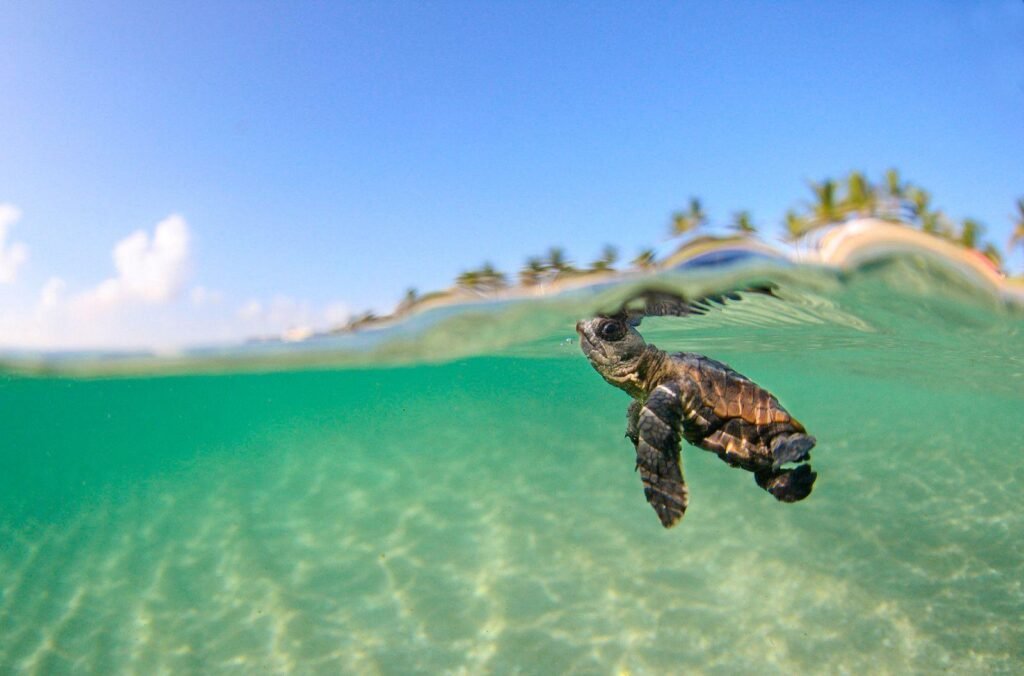
Akumal’s coastline presents a unique ecological context: a semi-enclosed beach system with high biological productivity, shallow reef structures, and adjacent seagrass beds that support Green turtles (Chelonia mydas) as a primary feeding area, while also serving as a nesting site for Loggerhead turtles (Caretta caretta).
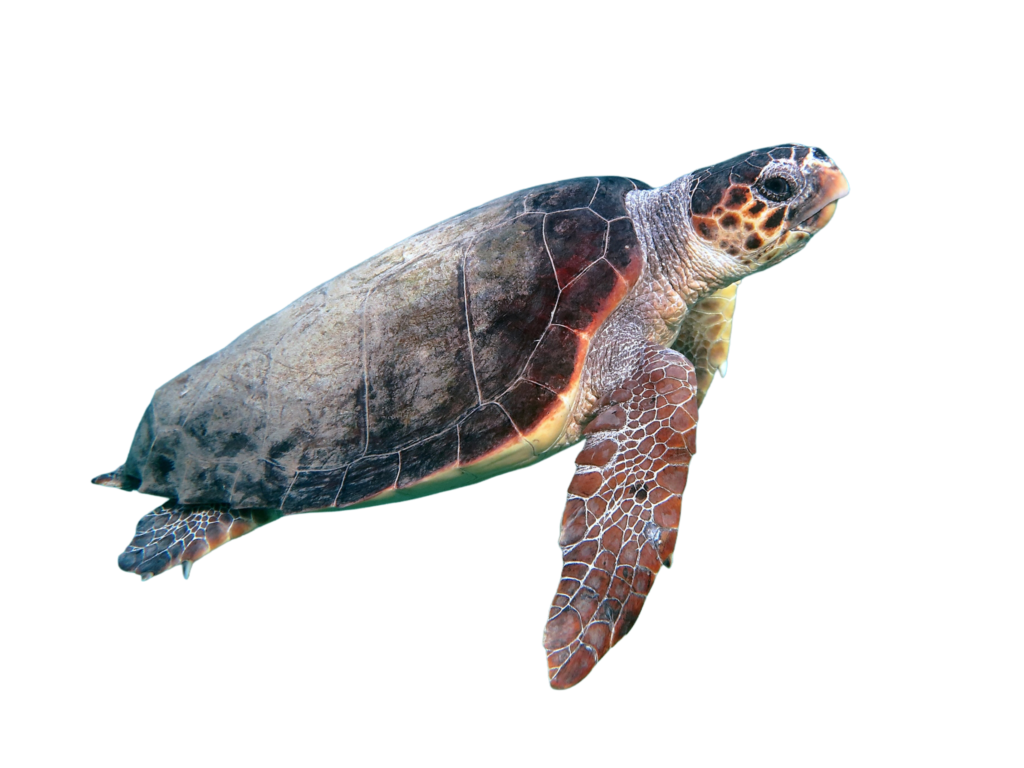
Loggerhead turtle, (Caretta Caretta)
A regular nesting species in Akumal, sensitive to beach disturbance, lighting, and sand compaction.
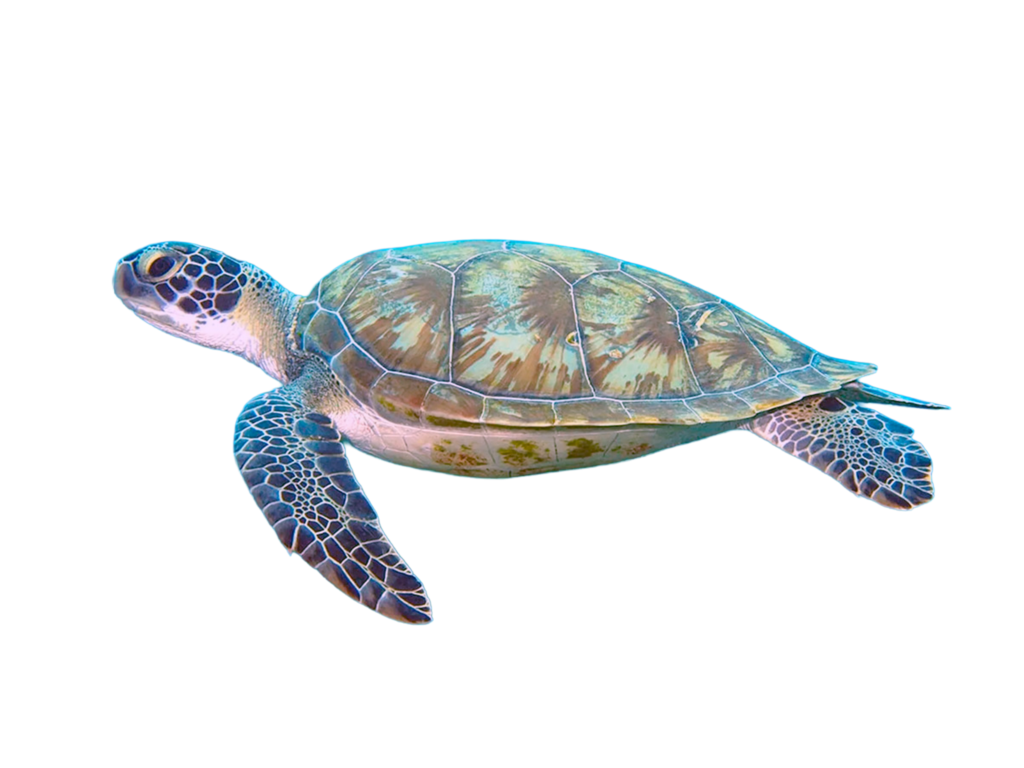
Green turtle, (Chelonia Mydas)
Primarily associated with Akumal as a feeding and resident species, with nesting occurring along the broader region.
OUR APPROACH
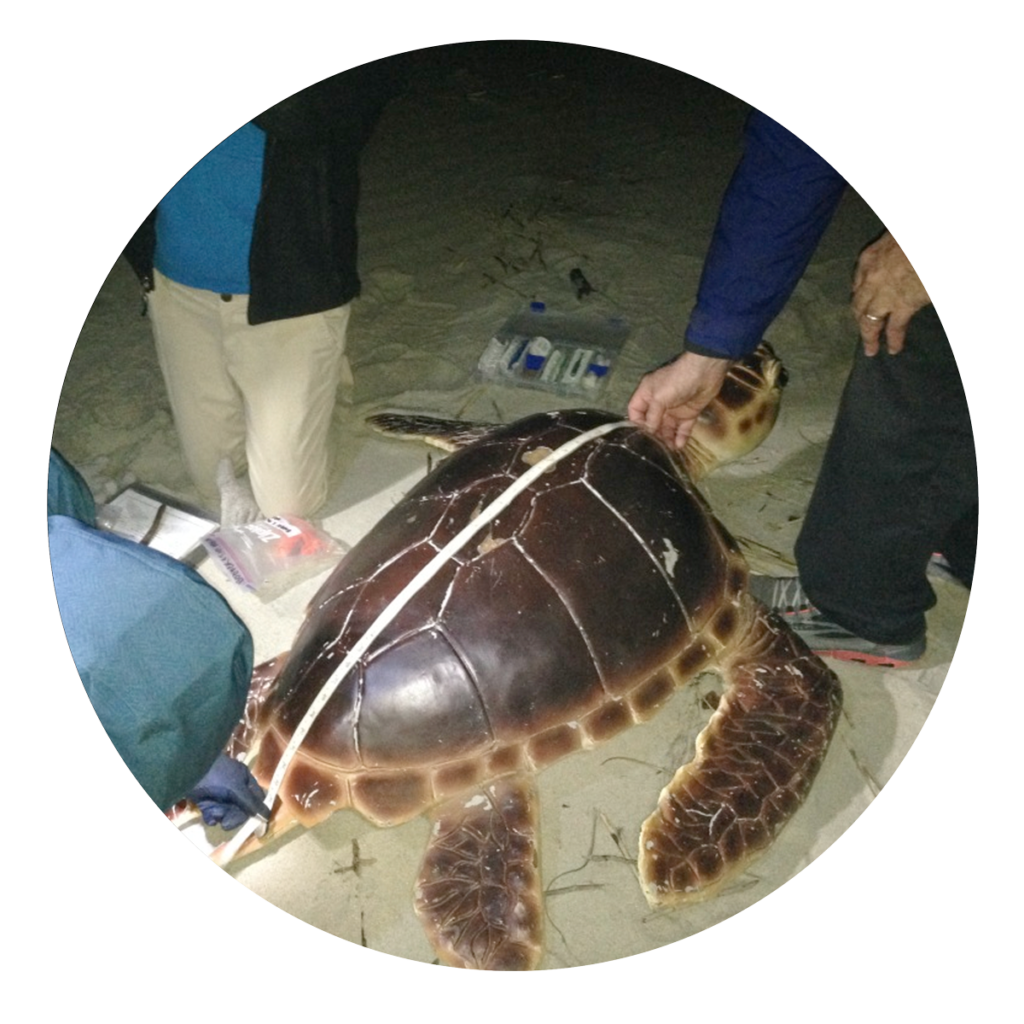
SCIENCE-BASED CONSERVATION
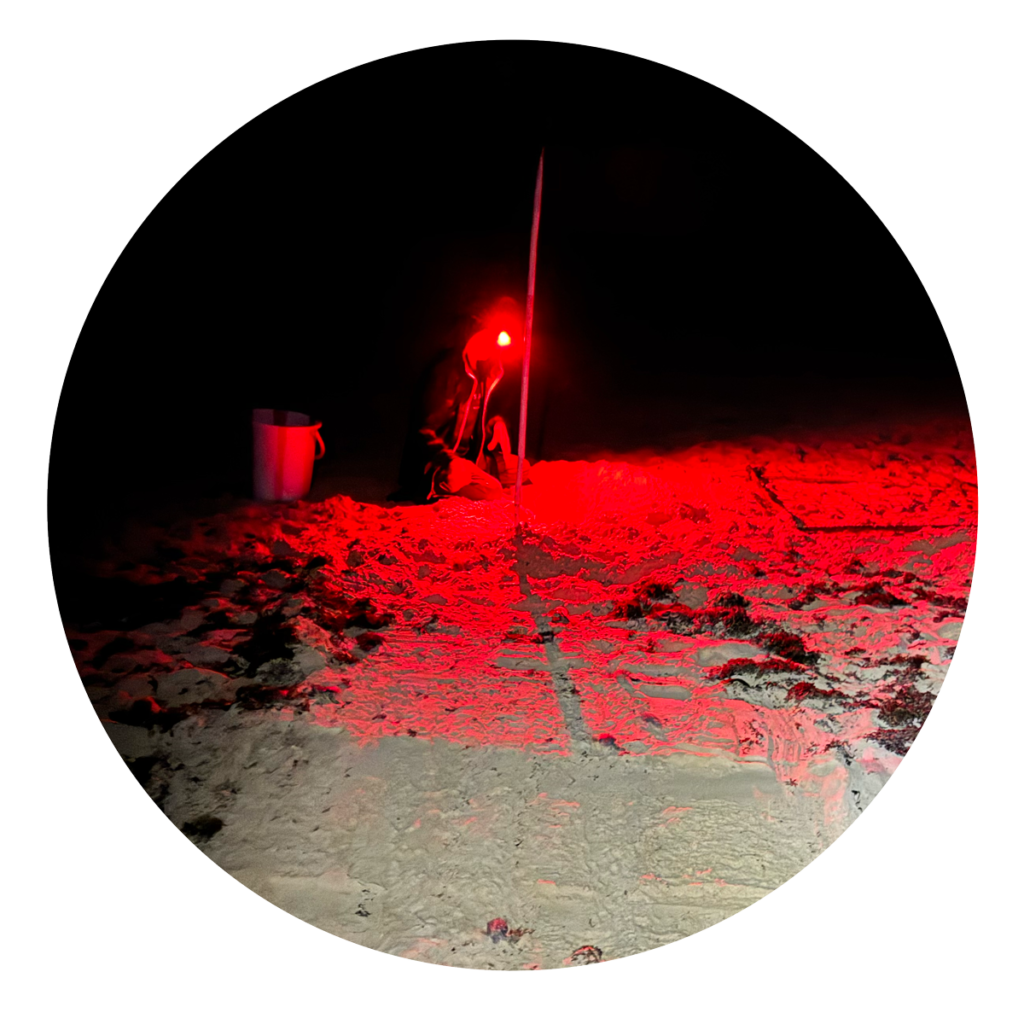
We work with professionals trained in biology, veterinary sciences, ecology, and related fields, applying scientific methods and official protocols.
EDUCATION & COMMUNITY
Our goal is to promote respectful behavior toward sea turtles and coastal ecosystems through education and responsible communication.

REGENERATIVE & ECOTOURISM
SAVE Akumal promotes responsible participation that supports conservation and local communities.
Ecological Importance of the Area
Akumal is part of a critical coastal corridor within the Mexican Caribbean, where marine and terrestrial ecosystems intersect. The beach morphology, sand composition, temperature gradients, and proximity to reef and lagoon systems create suitable nesting conditions for sea turtles, while also exposing nests to multiple anthropogenic and natural threats.
Long-Term Vision
Protecting sea turtles in Akumal goes beyond individual nests or seasons. The program is designed as a long-term conservation initiative, integrating scientific monitoring, adaptive management, and community engagement to safeguard coastal ecosystems in one of the most pressured tourism regions in Mexico.

PROGRAM OBJECTIVES
Protect nesting beaches and reproductive habitat
Increase hatching success and hatchling survival
Generate reliable biological data for long-term monitoring
Reduce nest loss due to predation, flooding, and human disturbance
Strengthen local conservation capacity and coastal stewardship