
The Raccoon of Akumal: Nocturnal Neighbor, Natural Predator
El Mapache de Akumal: Vecino Nocturno, Depredador Natural
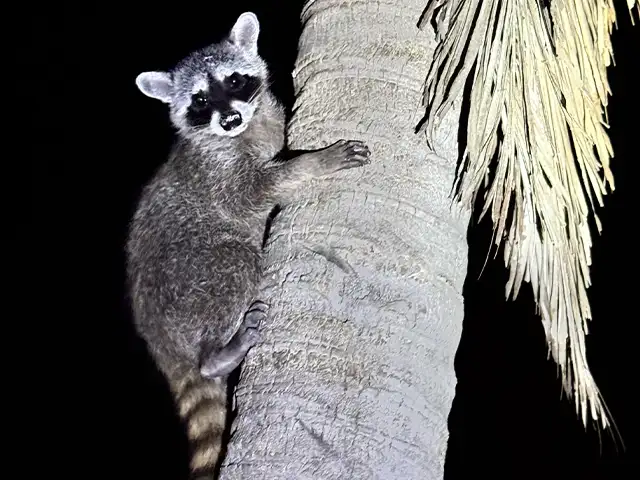
Every nesting season, our night patrols turn up more than turtle tracks in the sand. Those left by Procyon lotor, the common raccoon, are more frequent than you’d think. We see it climbing palm trees, walking along the tideline, and roaming the beach from sunset until sunrise during turtle nesting season. Here’s who this frequent visitor to our beaches is, and why its presence matters so much for sea turtle conservation.
Behavior: A Clever, Skilled Neighbor
The raccoon (Procyon lotor) is a medium-sized mammal (11–33 lb) in the family Procyonidae, recognizable by its black facial mask and its tail ringed in light and dark bands. It’s essentially nocturnal: it rests during the day and starts its rounds as soon as night falls, relying on night-adapted vision and a very fine sense of smell.
What sets it apart most is the dexterity of its front paws, clearly visible above. Its long, sensitive fingers let it manipulate, dig, and “feel” objects almost like hands—a skill it uses both to catch crabs among the rocks and to dig up a freshly laid nest. It’s also an excellent climber and swimmer, and while it usually moves alone, in Akumal it’s common to see it in small groups sharing the same palm tree.
Its diet is opportunistic and omnivorous: fruit, seeds, insects, crabs, frogs, bird eggs, and, once nesting season begins, sea turtle eggs and hatchlings. That flexibility to eat almost anything available is exactly what makes it such a successful survivor across different habitats.
The Raccoon in Quintana Roo
In Mexico, the raccoon is present in all 32 states, and the Yucatán Peninsula is no exception. Here it finds ideal conditions: mangroves, low jungle, and above all the coastal dunes that line our beaches—the very same habitat sea turtles use to nest. More than 90% of the region’s sea turtle nests are found on these coastal dunes, which puts raccoon and turtle on the same ground almost every night of the season.
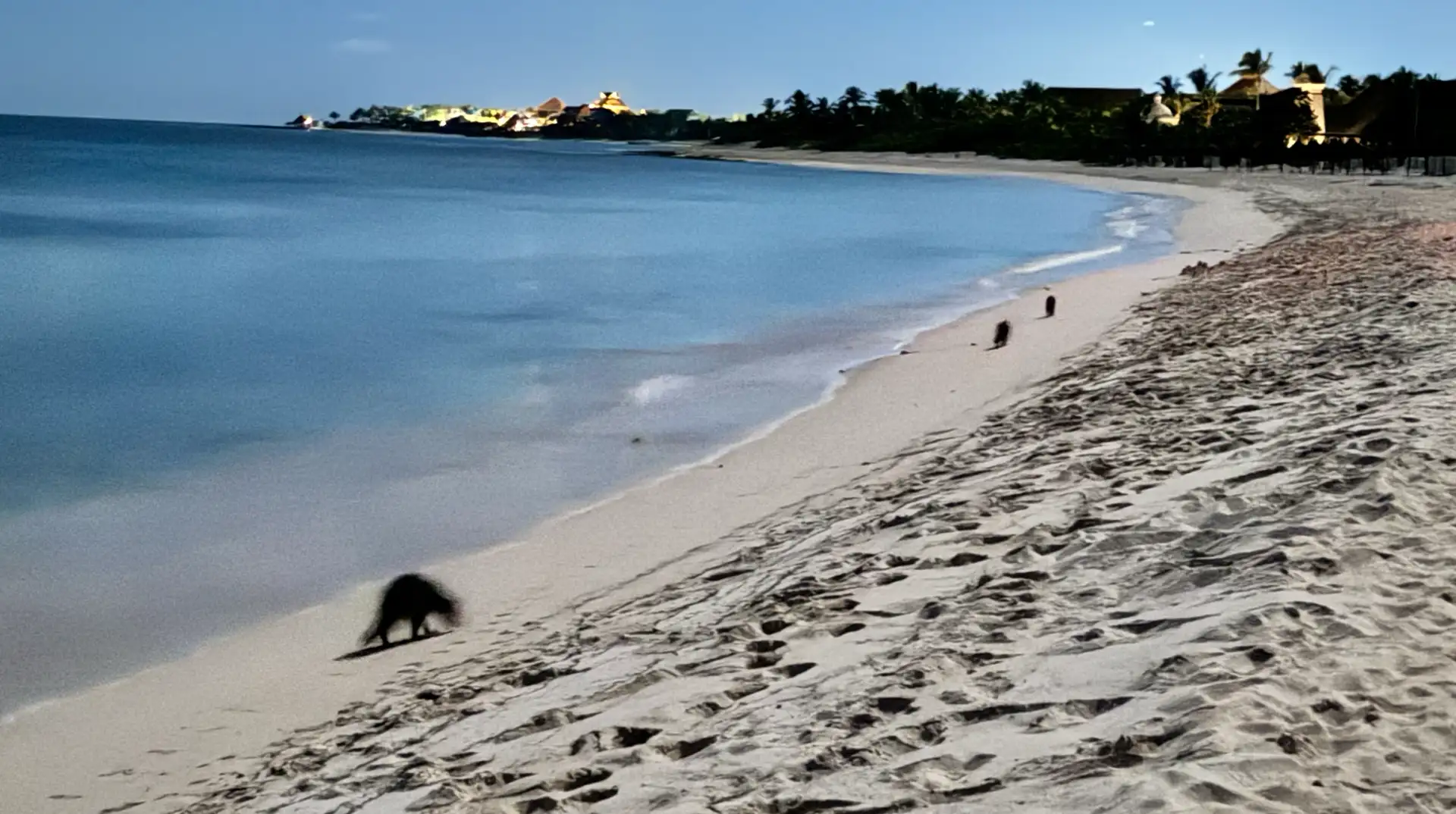
An interesting fact for anyone visiting the area: the raccoon we see in Akumal and along the rest of the mainland coast is Procyon lotor, the common raccoon. It’s different from the pygmy raccoon (Procyon pygmaeus), a dwarf, endemic species found only on the island of Cozumel, just a few kilometers from here. Two close relatives, two completely different evolutionary stories.
Source: ConocEspecies — Mapache pigmeoA Natural Predator in Akumal
For our conservation work, the raccoon is one of the most active natural predators of sea turtle nests. Its ability to detect the scent of a freshly laid nest, combined with its digging skill, means an unprotected nest can be lost within seconds.
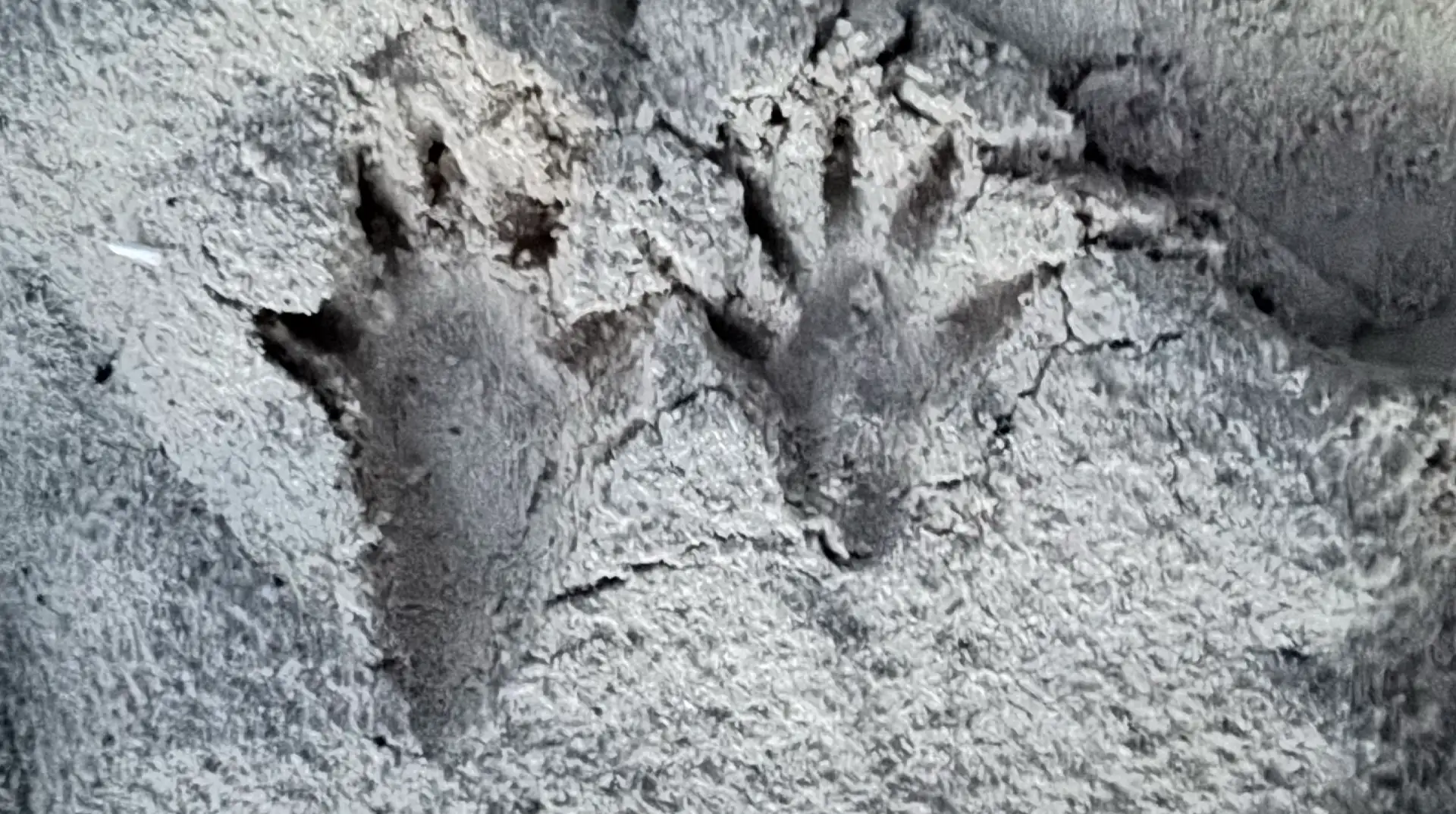
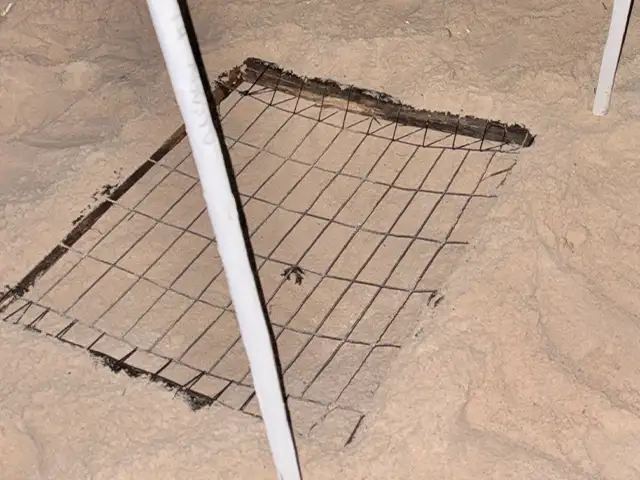
That’s why every nest we locate gets marked and protected as soon as possible: it’s, quite literally, a race against the sense of smell of these nocturnal neighbors. This isn’t about seeing the raccoon as an enemy—it’s part of the coastal ecosystem and plays its own role in the food chain of the beach—but it is the reason constant vigilance during night patrols matters so much. Every raccoon track we find next to a nest is a sign that protection arrived just in time, or that it needs to be reinforced.
If you’ve come across a raccoon during a night walk on the beach, now you know: you’re not looking at an animal out of place, you’re looking at one of the silent characters in this story that repeats every season in Akumal.
Why We Protect Every Nest in Akumal
Because the two sea turtle species that nest on our coast, the green turtle (Chelonia mydas) and the loggerhead (Caretta caretta), are classified as endangered under Mexico’s NOM-059-SEMARNAT-2010. Internationally, the loggerhead is considered vulnerable and the green turtle endangered. These aren’t abstract numbers: every nest lost—whether to a predator, to artificial light that disorients hatchlings, or to human foot traffic—is a direct loss to populations that are already fragile.
Source: PROFEPAThat’s why Akumal Bay was officially declared a refuge for these species, and why night patrols, marking nests with stakes and GPS coordinates, and managing predators like the raccoon are all part of the same effort. From May to July of the 2026 season alone, 718 nests were recorded—72 loggerhead and 646 green—and every one of them goes through this same monitoring process.
Beyond the legal side, sea turtles play an ecological role that sustains the whole bay: the green turtle keeps the seagrass it feeds on healthy, and that seagrass is a fish nursery, supports water quality, and protects the coast from erosion. Protecting them means protecting, in a chain reaction, everything else. And in Akumal they’re also part of our identity: this is one of the few beaches in the world where you can swim alongside sea turtles in their natural habitat—something that only exists if nests keep hatching season after season.
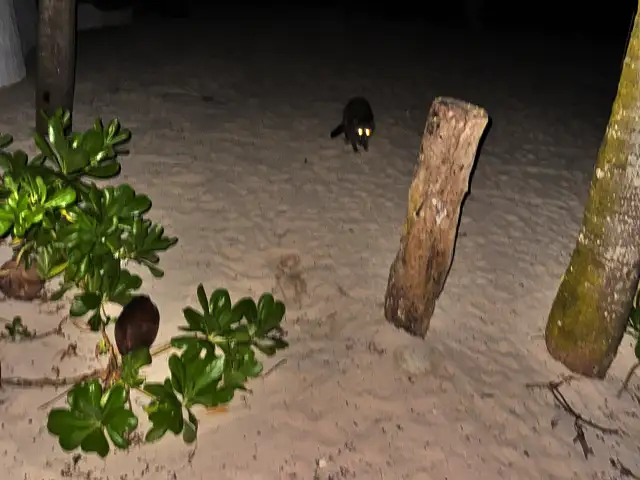
Cada temporada de anidación, nuestras rondas nocturnas nos encuentran con más que huellas de tortuga en la arena. Las del Procyon lotor, el mapache común, son más frecuentes de lo que parecen. Podemos verlo trepando palmeras, caminando junto a la línea de marea, y recorriendo la playa desde que baja el sol y hasta el amanecer en temporada de anidación de tortugas. Aquí te contamos quién es este visitante frecuente de nuestras playas y por qué su presencia afecta tanto la conservación de la tortuga marina.
Comportamiento: un vecino inteligente y hábil
El mapache (Procyon lotor) es un mamífero de la familia Procyonidae, de tamaño mediano (entre 5 y 15 kg), reconocible por su antifaz negro alrededor de los ojos y su cola anillada en tonos claros y oscuros. Es esencialmente nocturno: pasa el día descansando y activa sus recorridos apenas cae la noche, apoyado en una vista adaptada a la oscuridad y en un olfato muy fino.
Lo que más lo distingue es la destreza de sus patas delanteras, bien visible en la foto de arriba. Sus dedos largos y sensibles le permiten manipular, escarbar y “palpar” objetos casi como manos, una habilidad que usa tanto para atrapar cangrejos entre las rocas como para excavar un nido recién puesto. Es también un excelente trepador y nadador, y aunque suele desplazarse solo, en Akumal es común verlo en grupos pequeños compartiendo la misma palmera.
Su dieta es oportunista y omnívora: frutas, semillas, insectos, cangrejos, ranas, huevos de aves y, cuando la temporada inicia, huevos y crías de tortuga marina. Esa flexibilidad para comer casi cualquier cosa disponible es justamente lo que lo convierte en un sobreviviente tan exitoso en distintos hábitats.
El mapache en Quintana Roo
En México, el mapache está presente en los 32 estados, y la península de Yucatán no es la excepción. Aquí encuentra condiciones ideales: manglares, selva baja y, sobre todo, las dunas costeras que bordean nuestras playas, el mismo hábitat que utilizan las tortugas marinas para anidar. Más del 90% de los nidos de tortuga en la región se encuentran precisamente en estas dunas costeras, lo que pone al mapache y a la tortuga en un mismo terreno casi todas las noches de la temporada.
Un dato curioso para quienes visitan la zona: el mapache que vemos en Akumal y el resto de la costa continental es Procyon lotor, el mapache común. Es distinto del mapache pigmeo (Procyon pygmaeus), una especie enana y endémica que habita únicamente en la isla de Cozumel, a sólo unos kilómetros de aquí. Dos parientes cercanos, dos historias evolutivas completamente distintas.
El mapache como depredador en Akumal
Para nuestro trabajo de conservación, el mapache es uno de los depredadores naturales más activos de los nidos de tortugas marinas. Su capacidad para detectar el olor de un nido recién puesto, sumada a su habilidad para excavar, hace que un nido sin protección pueda perderse en cuestión de segundos.
Por eso cada nido que localizamos se marca y se protege lo antes posible: es, literalmente, una carrera contra el olfato de estos vecinos nocturnos. No se trata de ver al mapache como un enemigo, es parte del ecosistema costero y cumple su propio papel en la cadena de la playa, pero sí es la razón por la que la vigilancia constante durante los recorridos nocturnos es tan importante. Cada huella de mapache que encontramos junto a un nido es una señal de que la protección llegó justo a tiempo, o de que hace falta reforzarla.
Si te has topado con un mapache durante una caminata nocturna por la playa, ya sabes: no estás viendo un animal fuera de lugar, estás viendo a uno de los actores silenciosos de esta historia que se repite cada temporada en Akumal.
¿Por qué protegemos los nidos en Akumal?
Porque las dos especies de tortuga marina que llegan a nuestras costas, la verde (Chelonia mydas) y la caguama (Caretta caretta), están clasificadas en peligro de extinción bajo la NOM-059-Semarnat-2010. A nivel internacional la caguama es vulnerable y la verde está en peligro de extinción. No son números abstractos: cada nido perdido, ya sea por un depredador, por luz artificial que desorienta a las crías, o por pisoteo humano, es una pérdida directa sobre poblaciones que ya son frágiles.
Fuente: PROFEPAPor eso la Bahía de Akumal fue declarada oficialmente refugio de estas especies, y por eso la vigilancia nocturna, el marcaje de nidos con estacas y coordenadas GPS, y el control de depredadores como el mapache son parte del mismo esfuerzo. Solo de mayo a julio de la temporada 2026, se registraron 718 nidos, 72 de caguama y 646 de verde, y cada uno pasa por este mismo proceso de monitoreo.
Más allá de lo legal, las tortugas marinas cumplen un papel ecológico que sostiene toda la bahía: la tortuga verde mantiene sano el pasto marino del que se alimenta, y ese pasto marino es vivero de peces, sostiene la calidad del agua y protege la costa de la erosión. Protegerlas es proteger, en cadena, todo lo demás. Y en Akumal son también parte de nuestra identidad: es una de las pocas playas del mundo donde es posible nadar junto a tortugas marinas en su hábitat natural, algo que solo existe si hay nidos que sigan eclosionando temporada tras temporada.
MORE FROM THE JOURNAL
What It Means to Be a Sea Turtle Volunteer
Ser Voluntaria Tortuguera
Read More →
Inside the SAVE Field Guide
Dentro de la Guía de Campo SAVE
Read More →
Why Every Nest Counts
Por Qué Cada Nido Cuenta
Read More →
Green (Chelonia mydas) vs. Loggerhead (Caretta caretta)
Tortuga Verde vs. Caguama
Read More →