
Why Baby Sea Turtles Must Crawl to the Sea
Por Qué las Tortugas Bebé Deben Caminar Hasta el Mar
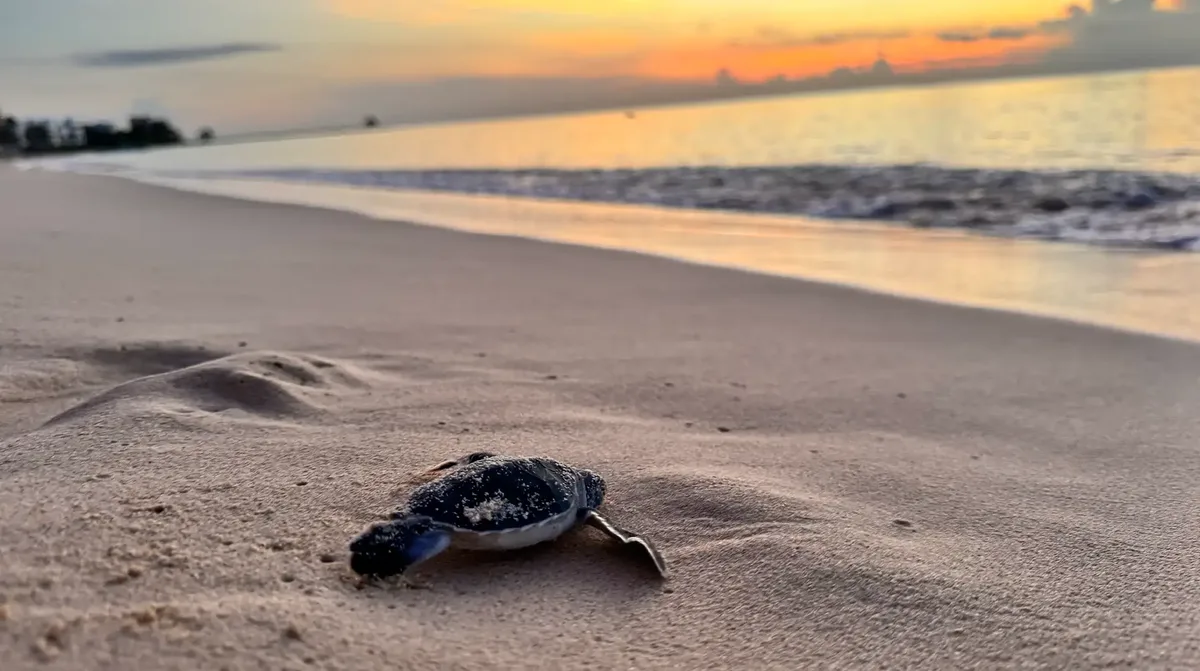
When a nest hatches on the beach we patrol, the first thing the hatchlings do isn’t swim — it’s walk. Alone, unassisted, they cross the few meters — sometimes several dozen — between the nest and the waterline. It’s tempting to think of that stretch as just distance to cover as fast as possible, and that carrying them to the water would save them effort and risk. The research says otherwise: that crawl is an active, necessary part of their biology, not a formality.
A Map Written While Walking
Sea turtles are famous for returning, thirty or forty years later, to nest on the very beach where they hatched — a phenomenon called natal homing. Kenneth Lohmann’s team at the University of North Carolina at Chapel Hill has gathered evidence that this “memory” of the natal beach is written, at least in part, while the hatchling is still in the nest and during its trip from nest to sea: the unique magnetic signature of that beach, along with possible cues from smell, low-frequency sound, and the area’s seasonal offshore currents. It’s a kind of geomagnetic imprinting. Skip that walk — pick a hatchling up and set it straight in the water — and you take away part of the information it will need, decades later, to find its way back to this same beach to nest.
Powering Up Before the Swim
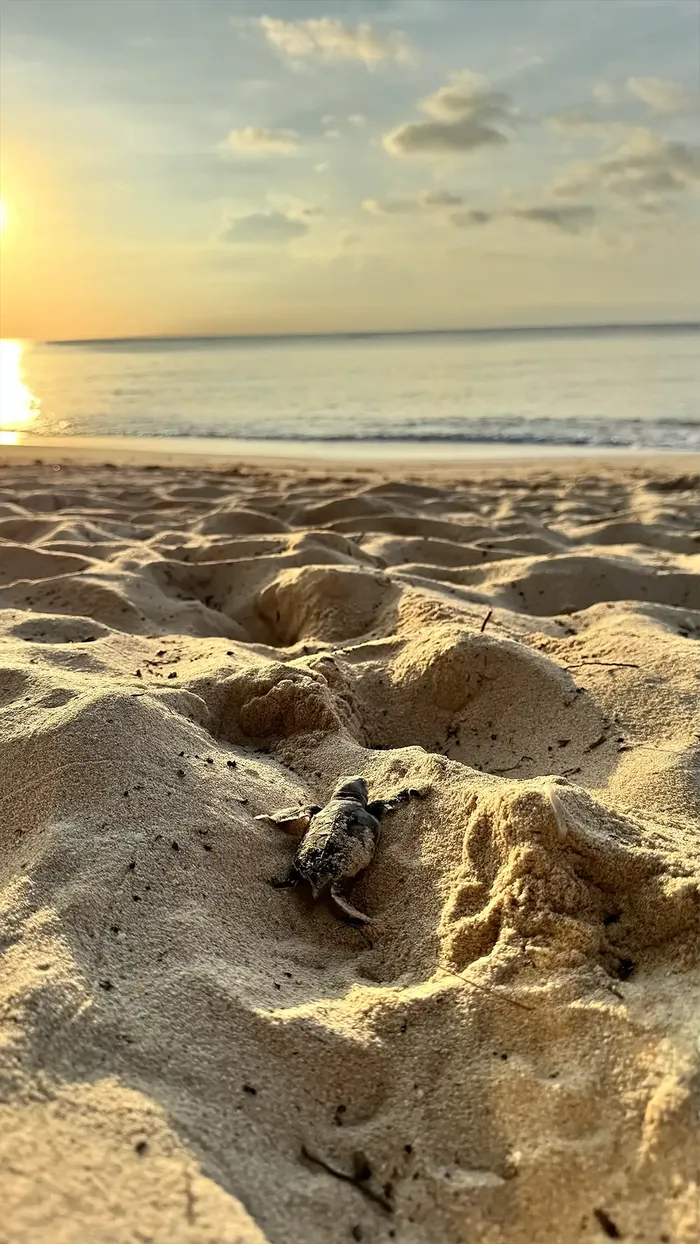
Leaving the nest kicks off what researchers call the “frenzy”: a period of peak activity that starts with the crossing of the beach and continues, once in the water, with 24 to 48 hours of nearly nonstop swimming until the hatchling reaches deeper water and the offshore currents, where it finds shelter in floating mats of Sargassum. Studies published in the Journal of Experimental Biology show that the same locomotor and metabolic systems the hatchling will need seconds later to swim without rest are already engaged during the crawl. The trip across the sand isn’t an obstacle before the important part — it’s the first phase of that same process.
Energy Is Limited, and Every Gram Counts
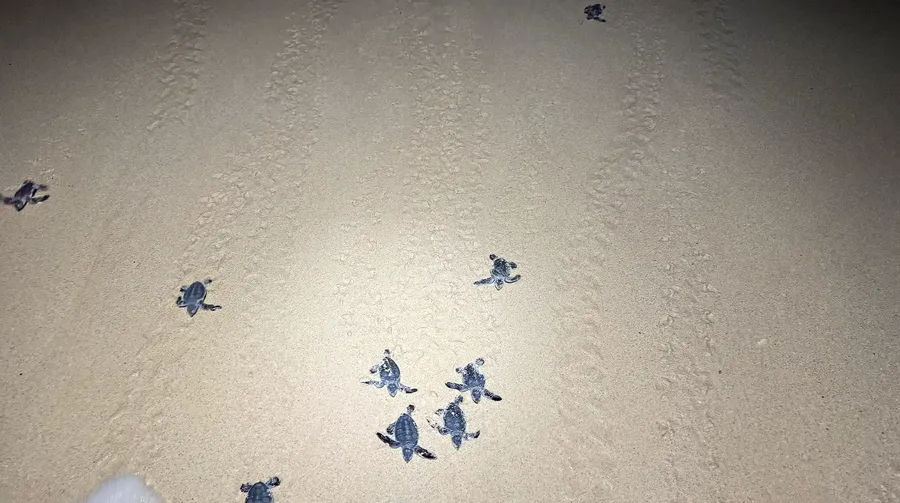
All of that effort — walking, then swimming almost without pause for nearly two days — runs on a single fuel source: the residual yolk sac the hatchling carries out of the shell. There’s no way to refuel before reaching the offshore currents. That’s why the natural behavior is so finely tuned to save energy: hatchlings emerge at night or at dawn, when the sand is cooler, and they do it in groups. Emerging in a swarm isn’t incidental — it dilutes the risk from predators (crabs, birds, raccoons), since no single predator can eat them all at once. Interrupting that pattern, even with good intentions, can pull a hatchling out of the group at the exact moment it needs the most protection.
Why We Never Carry Them at S.A.V.E.
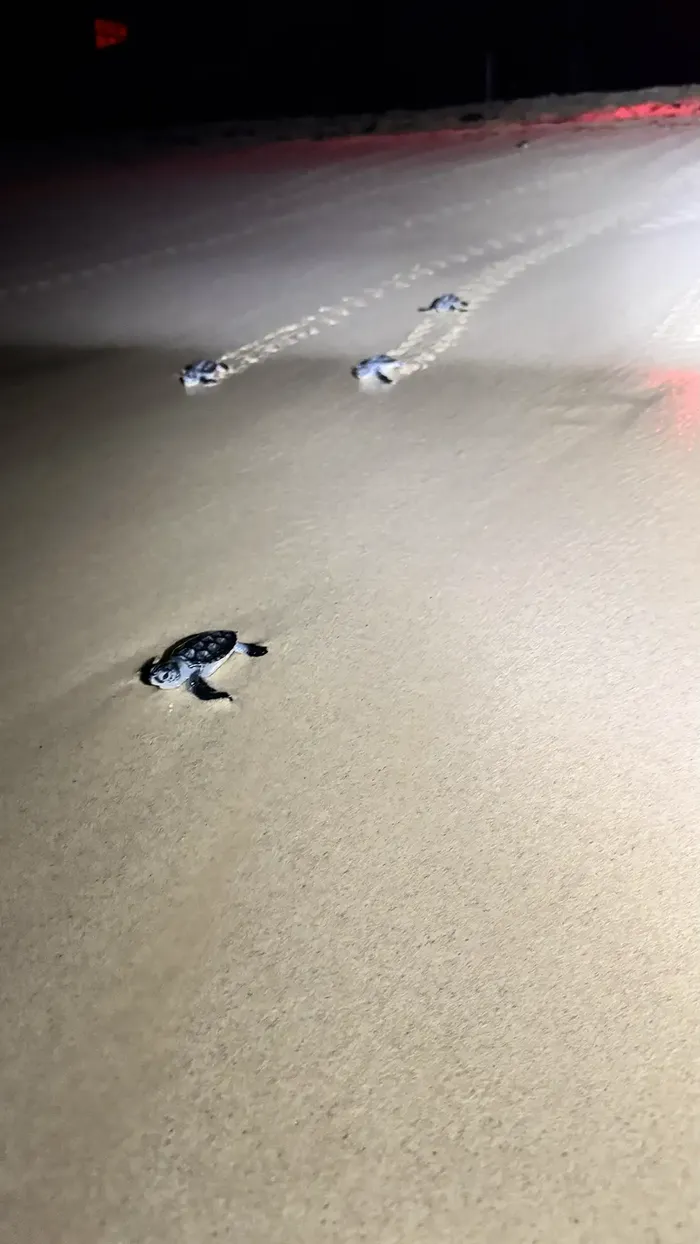
During our night patrols, our rule is simple: observe, protect the nest, and let the hatchlings make their own way. We use red light because white light disorients them — it scrambles the visual cues they use to find the brighter horizon over open water — and that’s actually one of the reasons we document every hatchling track: a straight line of prints toward the sea means a successful emergence; confused tracks, or ones heading inland, are a warning sign about light pollution or obstacles that need fixing before the next season. You can read more about how we monitor every nest on our Sea Turtle Program page.
Sources: Lohmann Lab, University of North Carolina at Chapel Hill (geomagnetic imprinting research, 2018); “The effects of extended crawling on the physiology and swim performance of loggerhead and green sea turtle hatchlings,” Journal of Experimental Biology (2018); “Locomotor activity during the frenzy swim,” Journal of Experimental Biology; NOAA Ocean Service; Loggerhead Marinelife Center.
Cuando un nido eclosiona en la playa que cuidamos, lo primero que hacen las crías no es nadar: caminan. Recorren solas, sin ayuda, los pocos metros —a veces decenas de metros— que separan el nido de la orilla. Es tentador pensar que ese tramo es solo distancia que hay que cubrir lo más rápido posible, y que cargarlas hasta el agua les ahorraría esfuerzo y riesgo. La investigación dice lo contrario: ese arrastre es una parte activa y necesaria de su biología, no un trámite.
Un Mapa que se Graba Mientras Caminan
Las tortugas marinas son famosas por regresar, treinta o cuarenta años después, a anidar en la misma playa donde nacieron —un fenómeno llamado filopatría natal—. El equipo de Kenneth Lohmann, en la Universidad de Carolina del Norte en Chapel Hill, ha reunido evidencia de que ese “recuerdo” del lugar de origen se graba, al menos en parte, mientras la cría está todavía en el nido y durante su trayecto del nido al mar: la firma magnética única de esa playa, junto con posibles señales de olor, sonido de baja frecuencia y las corrientes estacionales de la zona. Es una especie de impronta geomagnética. Si se le priva de ese recorrido —si se le levanta y se le deposita directamente en el agua—, se le está quitando parte de la información con la que, décadas más tarde, encontrará el camino de regreso a esta misma playa para anidar.
Una Fase de Activación Antes de Nadar
Al salir del nido comienza lo que los investigadores llaman el “frenesí” (frenzy): un periodo de máxima actividad que empieza con el cruce de la playa y continúa, ya en el mar, con 24 a 48 horas de nado casi ininterrumpido hasta alcanzar aguas más profundas y las corrientes oceánicas, donde encuentran refugio en parches de sargazo flotante. Estudios publicados en el Journal of Experimental Biology muestran que, durante el arrastre, se activan los mismos sistemas locomotores y metabólicos que la cría necesitará segundos después para nadar sin descanso. El cruce de la arena no es un obstáculo antes de lo importante: es la primera fase de ese mismo proceso.
La Energía es Limitada, y Cuenta Cada Gramo
Todo ese esfuerzo —caminar, nadar sin parar durante casi dos días— se paga con una sola fuente de combustible: el saco vitelino residual que la cría trae consigo al salir del cascarón. No hay forma de reabastecerlo antes de llegar a las corrientes oceánicas. Por eso el comportamiento natural está tan afinado para ahorrar energía: las crías emergen de noche o de madrugada, cuando la arena está más fresca, y lo hacen en grupo. Salir en cardumen no es casualidad: diluye el riesgo frente a depredadores —cangrejos, aves, mapaches— porque ningún depredador puede comer a todas a la vez. Interrumpir ese patrón, aunque sea con buenas intenciones, puede sacar a una cría del grupo justo en el momento en que más protección necesita.
Por Qué en S.A.V.E. Nunca las Cargamos
Durante nuestros recorridos nocturnos, nuestra regla es simple: se observa, se protege el nido, y se deja que las crías hagan su propio camino. Usamos luz roja porque la luz blanca las desorienta —confunde las señales visuales que usan para encontrar el horizonte más brillante sobre el mar— y ese es, de hecho, uno de los motivos por los que documentamos cada rastro de crías: un patrón de huellas en línea recta hacia el mar indica una emergencia exitosa; huellas confusas o que se dirigen tierra adentro son una señal de alerta sobre contaminación lumínica u obstáculos que hay que corregir para la próxima temporada. Puedes leer más sobre cómo monitoreamos cada nido en nuestra página de Programa de Tortugas Marinas.
Fuentes: Lohmann Lab, Universidad de Carolina del Norte en Chapel Hill (investigación sobre impronta geomagnética, 2018); “The effects of extended crawling on the physiology and swim performance of loggerhead and green sea turtle hatchlings”, Journal of Experimental Biology (2018); “Locomotor activity during the frenzy swim”, Journal of Experimental Biology; NOAA Ocean Service; Loggerhead Marinelife Center.
MORE FROM THE JOURNAL
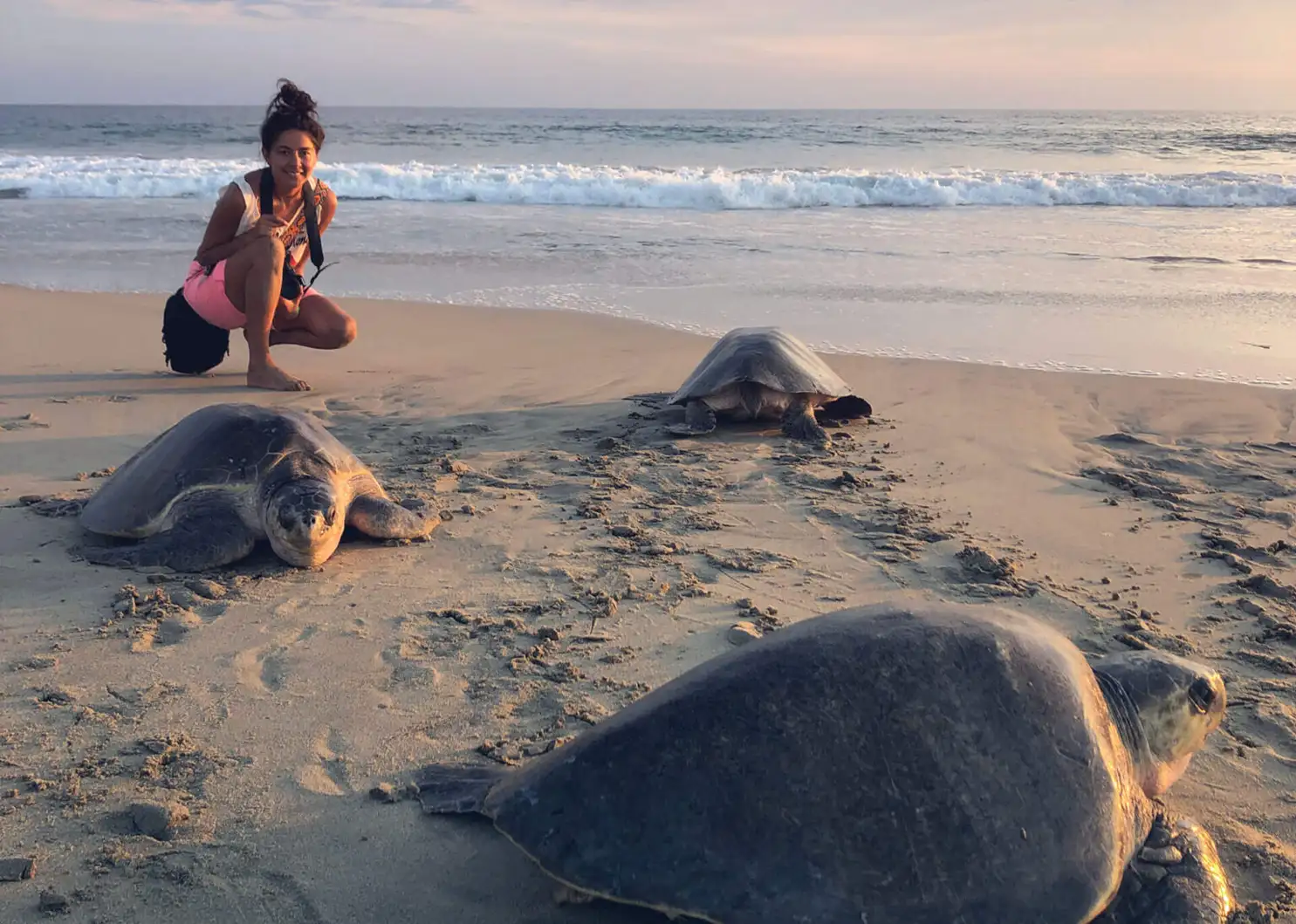
What It Means to Be a Sea Turtle Volunteer
Ser Voluntaria Tortuguera
Read More →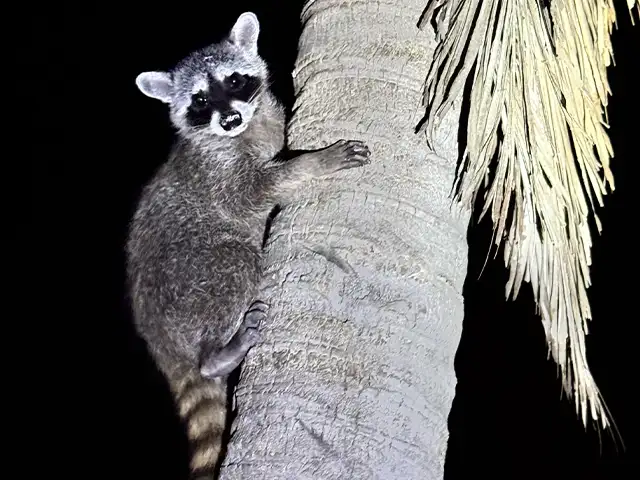
The Raccoon of Akumal (Procyon lotor)
El Mapache de Akumal
Read More →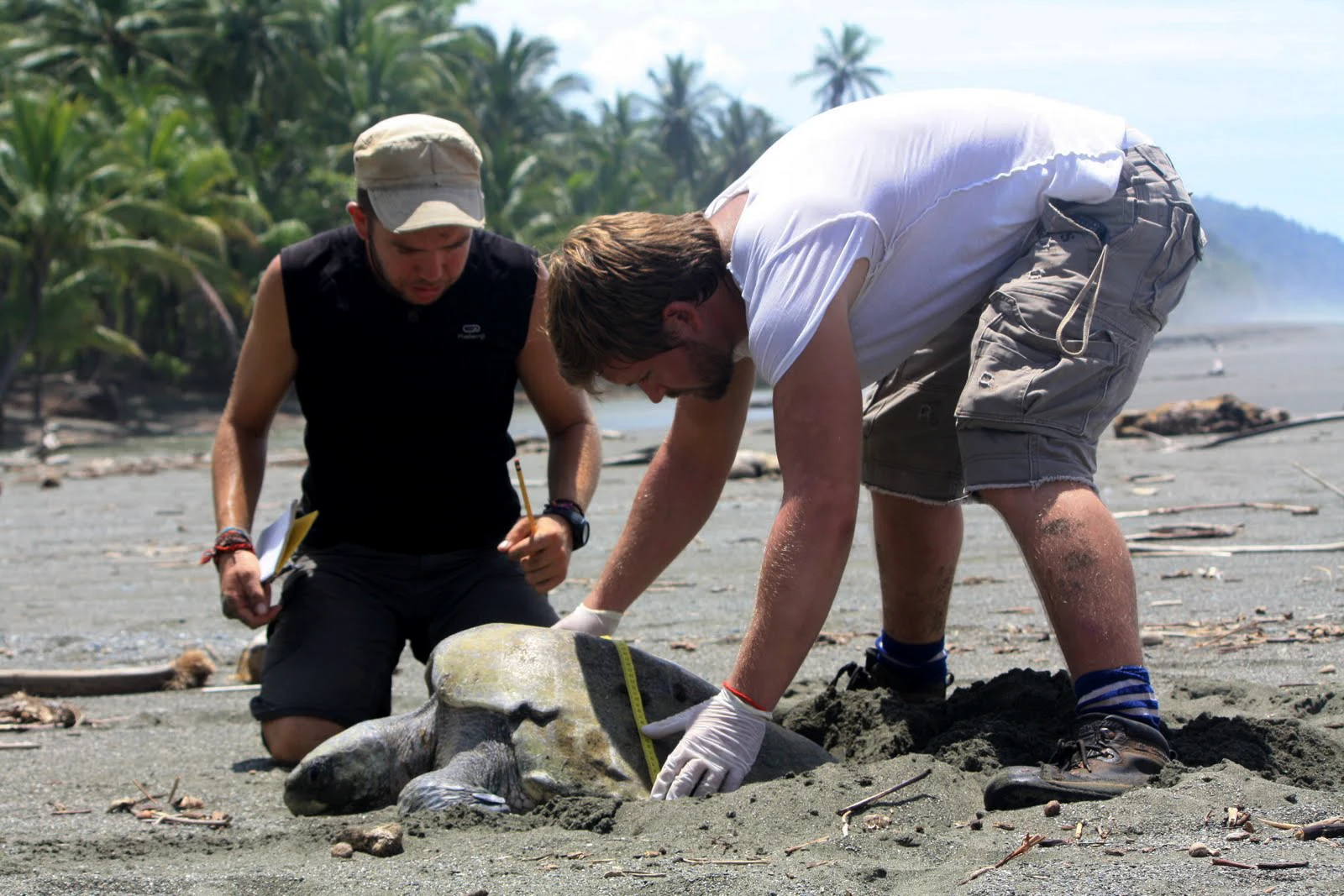
Inside the SAVE Field Guide
Dentro de la Guía de Campo SAVE
Read More →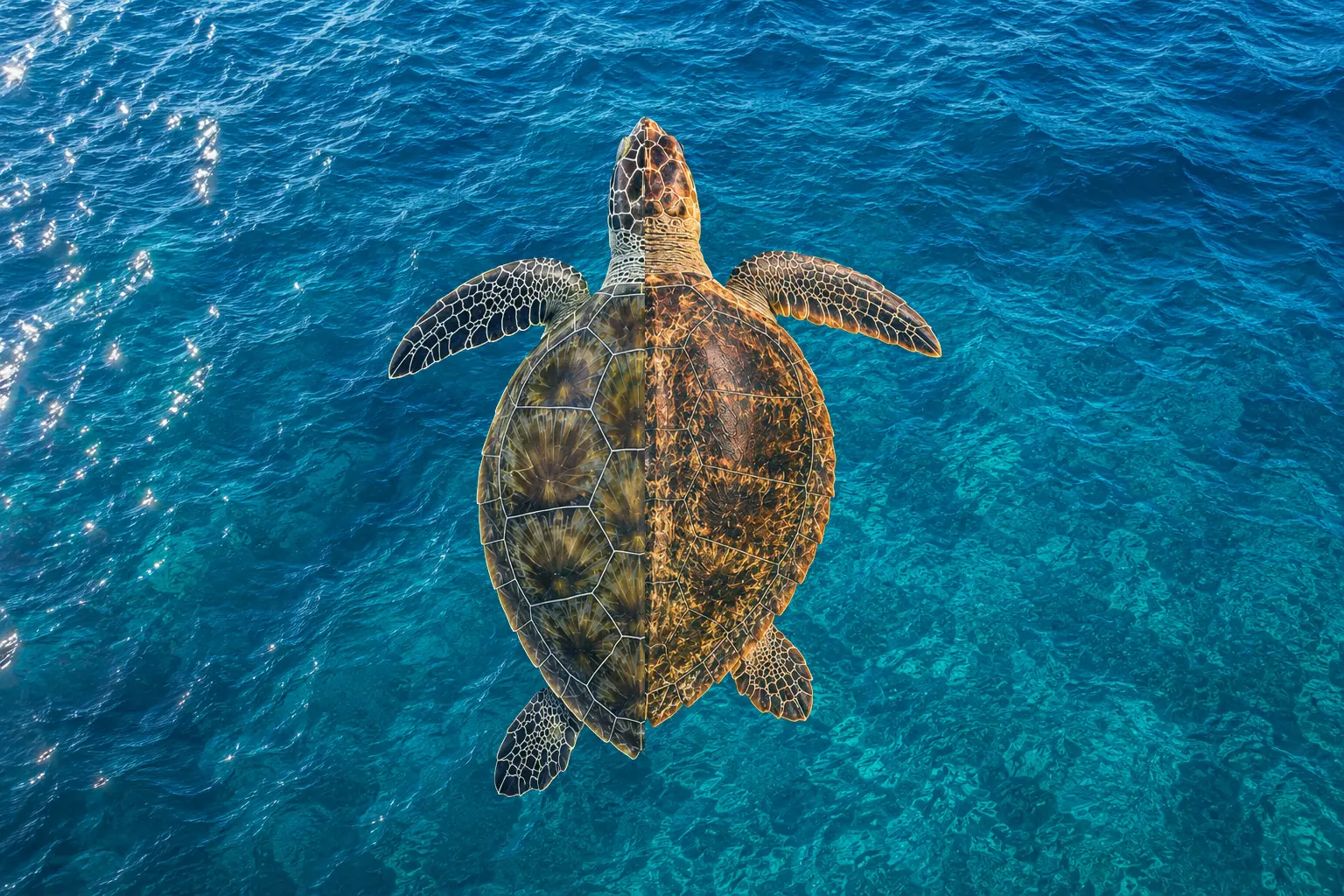
Green (Chelonia mydas) vs. Loggerhead (Caretta caretta)
Tortuga Verde vs. Caguama
Read More →